COVID-19 literature has emerged as a poignant genre that encapsulates the surreal experiences of the pandemic, resonating deeply with readers seeking to process the emotional weight of those times. One such work is Leah De Forest’s debut novel, “Any Kind of Known Tomorrow,” which captures the complex dynamics of four women navigating life amidst the early chaos of lockdown in New York City. Readers are drawn into the narrative through relatable themes of isolation and anxiety, prevalent in pandemic fiction that reflects the societal upheaval of 2020. As De Forest delves into characters grappling with change, her novel stands alongside other notable books that highlight the profound impact of COVID-19 on personal lives and relationships. This burgeoning subgenre not only chronicles collective experiences but also offers a lens through which we can better understand our multifaceted responses to such unprecedented circumstances.
Literature that addresses the global crisis caused by the pandemic offers a unique reflection on the human experience during times of upheaval. In her striking 2020 novel, Leah De Forest invites readers to explore the intimate lives of her characters as they attempt to navigate their sudden confinement, showing how the bonds of family are tested in extraordinary situations. The term “pandemic narratives” can encompass a wide range of styles and stories, showcasing how various authors interpret and respond to the social changes precipitated by COVID-19. Through narratives that blend fiction and reality, these books serve as a direct commentary on our collective journey through uncertainty and fear. As readers engage with these poignant tales, they are reminded of the shared struggles and resilience that define the human spirit in isolation.
The Emergence of COVID-19 Literature
In recent years, the landscape of literature has dramatically evolved, giving rise to a unique genre commonly referred to as COVID-19 literature. This subgenre captures the complexities and surreal experiences of individuals during the pandemic, reflecting the societal changes and personal struggles that emerged. Leah De Forest’s debut novel, “Any Kind of Known Tomorrow,” exemplifies this trend by offering a narrative deeply rooted in the early days of lockdown. As authors grapple with the chaos of the pandemic, they provide readers with a lens to engage with their own experiences and emotions.
The significance of COVID-19 literature lies in its ability to document a collective moment in history, evoking shared memories and feelings of isolation, uncertainty, and resilience. Just as works like Ann Patchett’s “Tom Lake” depict family dynamics under the strain of social distancing, De Forest’s novel explores how multiple generations navigate their fears during lockdown. Through these fictional narratives, readers can reflect on their pandemic experiences, fostering a sense of connection and understanding through storytelling.
Capturing the Pandemic’s Surreal Early Days
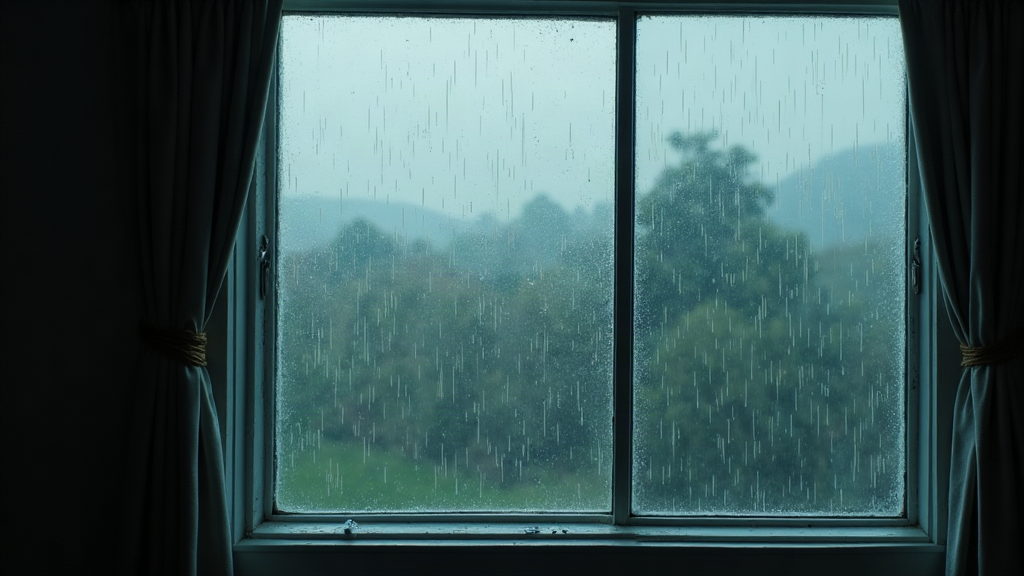
Leah De Forest’s novel paints a vivid picture of the early pandemic era, a time characterized by disarray and confusion. The protagonist and her family experience the strange duality of feeling sheltered yet exposed, echoing the sentiments of many who weathered the initial waves of COVID-19. The imagery of viewing raindrops through a window serves as a poignant metaphor for the distance that people felt during lockdown; they were separated from the world outside, yet their emotions were intimately linked to the unfolding crisis.
This exploration of isolation allows readers to engage with the emotional weight of the pandemic, evoking empathy as they navigate the characters’ struggles. De Forest’s adept storytelling connects themes of family, anxiety, and the unpredictability of life, ultimately presenting a tapestry of experiences that resonates with anyone who has felt the impact of COVID-19 on their personal lives. The novel transcends mere fiction by capturing the reality of a pandemic that transformed our world.
Intergenerational Perspectives on the Pandemic
One of the compelling aspects of “Any Kind of Known Tomorrow” is its portrayal of three generations of women, each reflecting different responses to the COVID-19 crisis. The character of Hadley, who initially believes that everything will be okay, represents a hopeful yet naive perspective. In contrast, her mother Aileen’s obsession with the news and obsessive tracking of events signifies a more fearful response to the uncertainty of the times. This generational clash highlights how individuals process trauma and fear differently, creating tension and conflict within the family unit.
Furthermore, the character of Isabelle embodies the anxious youth of today, grappling with a future now clouded by uncertainty. De Forest artfully showcases these varied responses to the pandemic, fostering dialogue about the emotional ramifications of COVID-19 across age groups. This narrative technique underscores the important role of storytelling in addressing complex feelings and situational dynamics, allowing readers to mirror these experiences within their own familial relationships.
The Role of Fiction in Processing Reality
Fiction has historically served as a powerful tool for processing and recounting reality, especially in times of social upheaval. As Leah De Forest emphasizes, literature allows for reflection on chaos and uncertainty, helping individuals articulate emotions they might otherwise struggle to express. With the pandemic being a defining moment in contemporary society, the emergence of novels that navigate these themes becomes increasingly relevant and necessary.
In exploring the array of responses to COVID-19, De Forest contributes to the conversation on how stories can bridge personal experiences and collective memory. For readers of “Any Kind of Known Tomorrow,” the novel becomes not just a piece of entertainment, but a way to engage with their own stories of navigating the pandemic, ultimately providing a platform for understanding and coping with the shared hardships of a global crisis.
Exploring Human Connections during Isolation
The pandemic prompted a profound sense of isolation, yet, paradoxically, it also highlighted the interconnectedness of humanity. Leah De Forest’s use of an omniscient narrator in “Any Kind of Known Tomorrow” allows for a broader exploration of perspectives, emphasizing that while characters may exist in confinement, the larger world outside continuously impacts their lives. Through glimpses into the experiences of strangers, such as the bus driver or an overworked nurse, the narrative reinforces the notion that we are all part of a shared human experience, even amidst separation.
This narrative style grants readers an expanded view of the emotional landscape during the pandemic, encouraging empathy and deeper reflection on communal struggles. As people faced their individual fears and uncertainties, the book portrays a mosaic of lives intertwined, reminding readers that while many faced isolation, they were collectively enduring a historic moment. This sense of shared experience can foster healing and understanding, resonating with those who have grappled with similar feelings throughout the pandemic.
Literature as a Reflection of Societal Change
As society continues to process the events surrounding COVID-19, literature serves as a crucial reflection of the changes that have occurred. Leah De Forest, through her debut novel, captures not only the personal struggles of individuals but also the broader societal shifts that accompany crises. The exploration of themes such as displacement, anxiety, and the search for belonging is particularly relevant as people reevaluate their priorities and connections, often in light of the pandemic’s impact.
The rise of pandemic fiction, as seen with De Forest’s work and others in the genre, signifies a turning point in literature. Authors are addressing the emotions and realities faced during this tumultuous period, creating narratives that resonate with readers seeking understanding and solace. By chronicling these experiences, literature becomes a mirror reflecting societal transformations, providing both insight and a means for readers to navigate their own evolving worlds.
Unpacking the Psychological Toll of the Pandemic
The psychological impact of COVID-19 has been profound, affecting individuals in varying degrees. In “Any Kind of Known Tomorrow,” Leah De Forest addresses the emotional toll that the pandemic has taken on her characters, who embody the fears and anxieties experienced by many during the lockdown. Through the lens of her well-rounded characters, readers can witness the nuanced ways individuals cope with stress, denial, and panic—feelings that are all too familiar to those who lived through the early days of the pandemic.
De Forest’s portrayal invites readers to engage in introspection, offering them a space to confront their own emotional responses to the pandemic. By reflecting on the characters’ journeys, readers may find themselves navigating similar feelings of uncertainty and fear. This exploration serves to validate the mental health challenges that arose during COVID-19, calling attention to the importance of recognizing and addressing one’s emotional wellbeing amid unprecedented times.
The Importance of Storytelling in Times of Uncertainty
Storytelling has long been an essential method through which societies process trauma and uncertainty. Leah De Forest’s “Any Kind of Known Tomorrow” invites readers to delve into the experiences of her characters, each grappling with the upheaval brought by the COVID-19 pandemic. Through their narratives, the novel underscores the therapeutic potential of fiction in helping audiences make sense of their own tumultuous emotions during a difficult time.
As readers reclaim their narratives from the chaos of the pandemic, De Forest’s storytelling emerges as a beacon of hope and exploration. The experience of reading can offer solace, helping individuals reframe their own realities in relatable ways. By engaging with characters’ struggles, readers can find common ground, which fosters a deeper understanding of both the individual’s plight and the collective human experience during adversity.
Anticipating the Future of Pandemic-Inspired Literature
As time passes and the world continues to heal, the legacy of the COVID-19 pandemic will undoubtedly linger within literature. The emergence of pandemic-inspired novels allows writers like Leah De Forest to contribute to an ongoing dialogue regarding the impact of these unprecedented events. The genre will likely evolve as more authors share their interpretations and reflections, shaping the literary landscape in ways that honor collective memory and provide insight into the future.
Looking ahead, readers may find themselves seeking out stories that not only document the challenges faced during the pandemic but also highlight resilience, recovery, and hope. De Forest’s novel can be perceived as part of a cultural need to confront and narrate personal and societal experiences during a historic turning point. Ultimately, literature rooted in the pandemic will continue to provide solace, understanding, and a shared space for processing the complexities that arise from such profound global experiences.
Frequently Asked Questions
What is COVID-19 literature and how does it relate to Leah De Forest’s ‘Any Kind of Known Tomorrow’?
COVID-19 literature refers to a growing subgenre that captures and explores the experiences and emotional landscape during the pandemic. Leah De Forest’s debut novel, ‘Any Kind of Known Tomorrow,’ fits this category by depicting the surreal early days of COVID-19, focusing on the dynamics of a family dealing with the implications of lockdown and uncertainty.
How does ‘Any Kind of Known Tomorrow’ reflect the impact of COVID-19 on families?
In ‘Any Kind of Known Tomorrow’, Leah De Forest illustrates the impact of COVID-19 through the lens of three generations of women. The story portrays how each character processing the pandemic differently, highlighting themes of fear, denial, and the struggle for understanding amidst the chaos of lockdown.
What themes are prevalent in pandemic fiction, specifically in Leah De Forest’s writing?
Themes in pandemic fiction, including Leah De Forest’s ‘Any Kind of Known Tomorrow,’ often include isolation, uncertainty, and the complexity of relationships. De Forest delves into how characters cope with the psychological toll of COVID-19, showcasing diverse responses such as anxiety, denial, and a quest for connection.
How does the character development in ‘Any Kind of Known Tomorrow’ shed light on the psychological effects of the COVID-19 pandemic?
The character development in Leah De Forest’s ‘Any Kind of Known Tomorrow’ highlights the psychological effects of COVID-19 by presenting varied reactions to the crisis. The contrasting behaviors of characters like Hadley, Aileen, and Isabelle reveal how the pandemic amplifies pre-existing fears and tensions within familial relationships.
What is the significance of setting the novel ‘Any Kind of Known Tomorrow’ in New York City during the pandemic?
Setting ‘Any Kind of Known Tomorrow’ in New York City, a major epicenter during the COVID-19 pandemic, allows Leah De Forest to emphasize the collective struggle and resilience of urban life. The city’s unique challenges during lockdown enhance the story’s exploration of fear, isolation, and the shared human experience amid global crisis.
How does Leah De Forest incorporate multiple perspectives in her novel to convey the impact of COVID-19?
Leah De Forest employs an omniscient narrator in ‘Any Kind of Known Tomorrow’ to present various perspectives on the pandemic’s impact. This narrative style captures the interconnectedness of individuals’ experiences during the COVID-19 crisis, showcasing how each character—and their unique challenges—contributes to a collective narrative of resilience.
What can we learn from ‘Any Kind of Known Tomorrow’ about navigating uncertainty during the COVID-19 pandemic?
‘Any Kind of Known Tomorrow’ offers insights into navigating uncertainty by emphasizing the importance of dialogue and understanding in relationships, especially amidst the COVID-19 pandemic. Leah De Forest suggests that embracing the discomfort of not knowing is essential for personal connections and coping with life’s unpredictability.
How does ‘Any Kind of Known Tomorrow’ fit into the broader context of contemporary pandemic fiction?
Leah De Forest’s ‘Any Kind of Known Tomorrow’ contributes to contemporary pandemic fiction by providing a nuanced exploration of the early COVID-19 experience. It joins works by authors like Ann Patchett and Gary Shteyngart, focusing on the human condition under stress and the emotional fallout of the pandemic’s surreal moments.
| Key Points |
|---|
| Leah De Forest’s debut novel offers a fictional exploration of the early days of the COVID-19 pandemic, highlighting personal experiences during lockdown. |
| The story follows four women from the Parris family, each engaging with the pandemic differently; reflecting themes of anxiety, denial, and emotional tension. |
| The novel contributes to a growing subgenre of COVID-19 literature, emphasizing the impact of the pandemic on family dynamics and individual coping mechanisms. |
| De Forest discusses the challenges of representing the pandemic in fiction while acknowledging its significance in processing shared experiences. |
| The inclusion of various perspectives in the narrative exemplifies the interconnectedness experienced during the pandemic, as well as the isolation felt by individuals. |
| The book encourages readers to confront uncertainty and reflects on the complexities of familial relationships during trying times. |
Summary
COVID-19 literature has emerged as a significant subgenre, with Leah De Forest’s debut novel, “Any Kind of Known Tomorrow,” encapsulating the emotional experiences of individuals during the early pandemic. The narrative engages with themes of family dynamics, uncertainty, and varied responses to crisis, providing readers an opportunity to reflect on their own experiences. Through the lens of fictional characters, the novel presents a complex portrayal of how people cope with unprecedented challenges, ultimately suggesting that literature remains a vital medium for understanding our shared humanity in the face of adversity.
Discover the power of automated content creation with Autowp, the ultimate AI content generator and AI content creator plugin for WordPress. Effortlessly produce high-quality articles, blog posts, and web pages that engage your audience and enhance your SEO performance. With Autowp, you can save time and effort, allowing you to focus on what truly matters – growing your business. Unlock the potential of AI-driven content at your fingertips today! To remove this promotional paragraph, upgrade to Autowp Premium membership.